Protect land rights defenders from criminalization. Stop SLAPP cases on peasants and activists
17 April 2024 Solidarity Statement on the International Day of Peasant’s Struggles In...



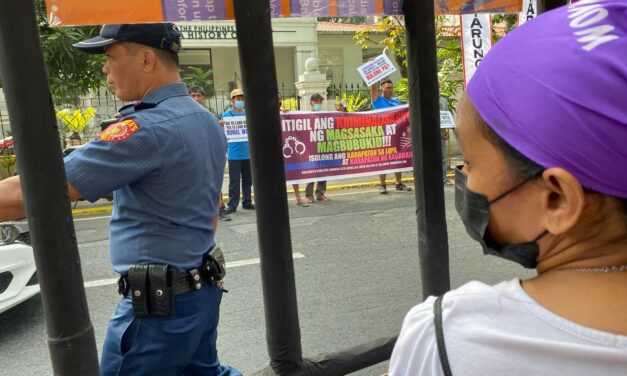
Stop the criminalization of peasants. Protest action at the Department of Justice office in Manila. 8 March 2023. Photo by J. Purugganan
17 April 2024 Solidarity Statement on the International Day of Peasant’s Struggles In...
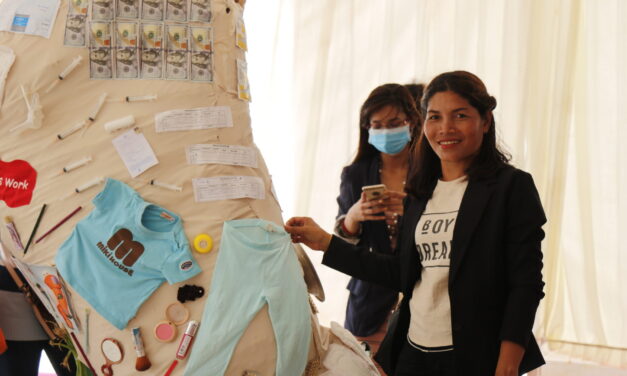
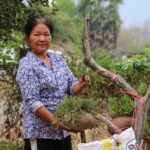
Our staff member, Ros Sokunthy, sat down in an interview with Ms. Hy Sochan from Andong Rovieng, Anchanh Rong, Baribo, Kampong Chhnang.
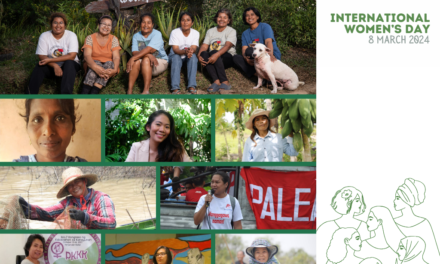
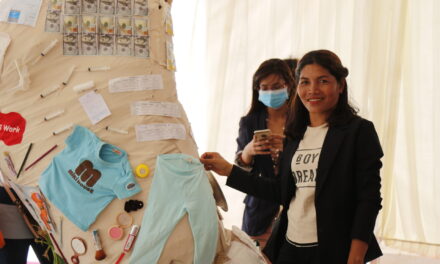
While celebrating International Women’s Day last month, I was delighted to stand in...
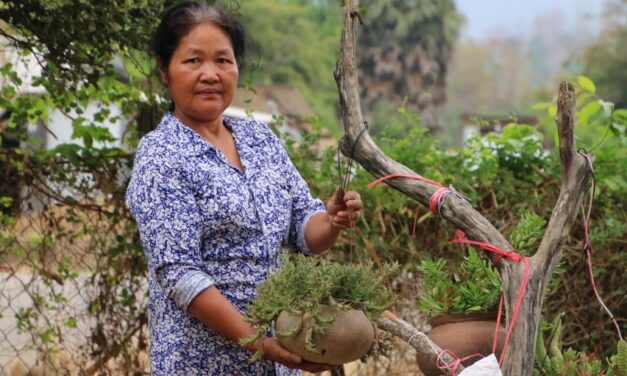
Our staff member, Phun Phearun, sat down in an interview with Ms. Nuon Chantha. Ms. Chantha, 54 years old, who shared her life experiences and her role as a mother.
After Nuon Chanta’s first marriage, she moved to Thailand with her ex-husband, seeking job...
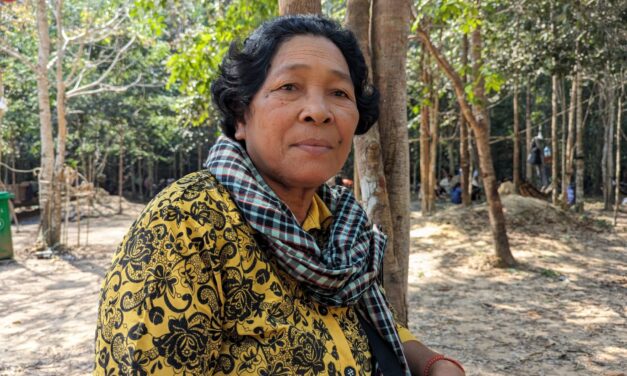
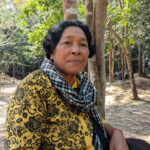
Our staff member, Ridan Sun, sat down in an interview with Ms. Lon Laom. Ms. Laom, 68 years old, is of Kouy indigenous people who live in Thala Borivat District, Stung Treng Province, Cambodia.
For over 20 years, I have been involved in forest protection. In the past, we joined forces to...
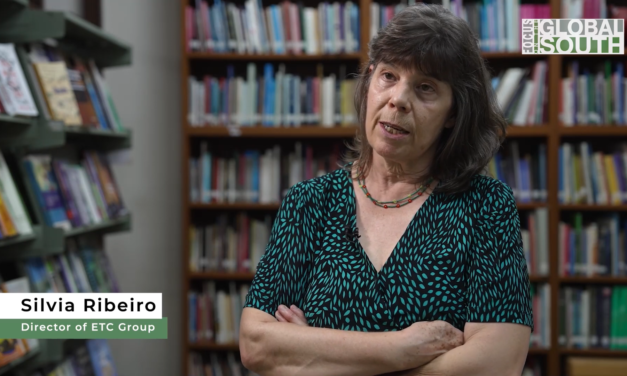
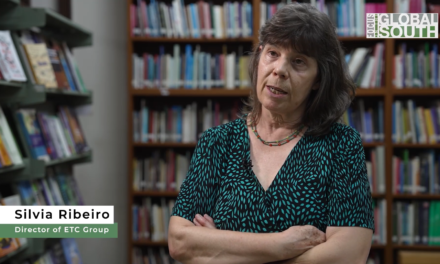
Join our board member Silvia Ribeiro of the ETC Group, as she highlights the critical but often...
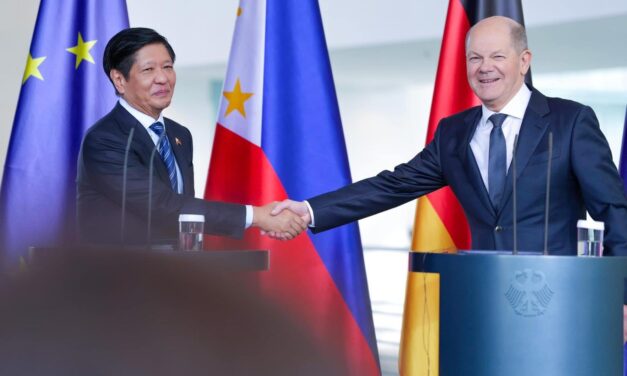
PH, Germany agree to enhance trade, investments cooperation The Philippines and Germany have discussed ways on how to enhance the trade and investment cooperation of the two countries during the second day of the three-day working visit of President Ferdinand R. Marcos Jr. in Berlin. March 12, 2024. Photo release from Presidential Communications Office.
Trade talks with the European Union that were suspended during the time of President Duterte...
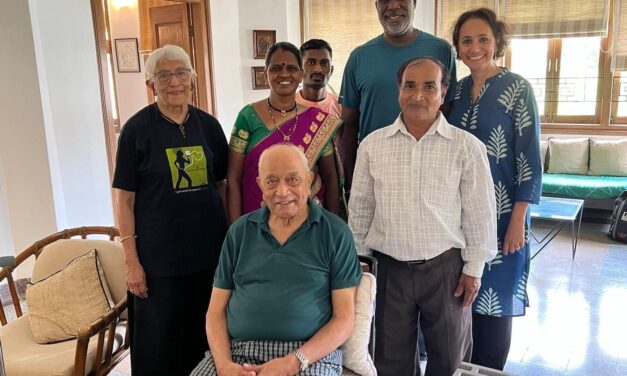
Focus on the Global South (Focus) mourns the passing away today morning of Admiral, as we fondly...
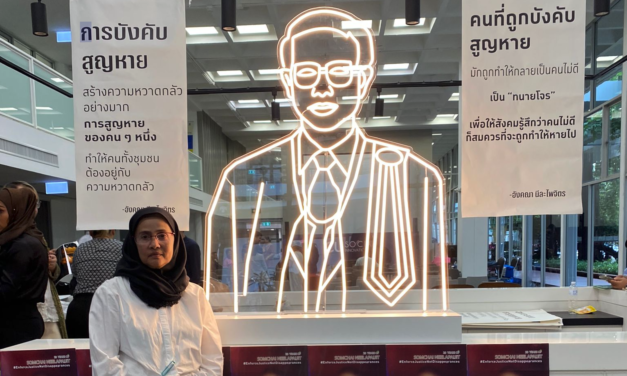
Angkhana Neelapaijit at the event "Enforce Justice Instead of Disappearances — Commemorating the 20th Year of Somchai Neelapaijit", 12 March 2024 at Chulalongkorn University. Photo by Kheetanat Wannaboworn.
Twenty years ago, Somchai Neelapaijit, an outspoken human rights lawyer and senior member of two...





Focus on the Global South (Focus) mourns the passing away today morning of Admiral, as we fondly...


Our staff member, Ros Sokunthy, sat down in an interview with Ms. Hy Sochan from Andong Rovieng, Anchanh Rong, Baribo, Kampong Chhnang.
While celebrating International Women’s Day last month, I was delighted to stand in...
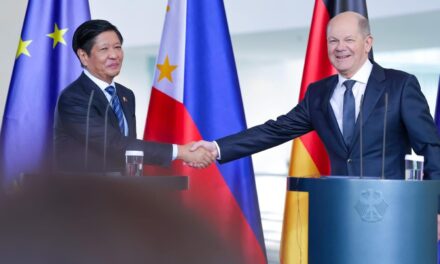
PH, Germany agree to enhance trade, investments cooperation The Philippines and Germany have discussed ways on how to enhance the trade and investment cooperation of the two countries during the second day of the three-day working visit of President Ferdinand R. Marcos Jr. in Berlin. March 12, 2024. Photo release from Presidential Communications Office.
Trade talks with the European Union that were suspended during the time of President Duterte...



Unpacking the dominant model in order to raise critical understanding among broad constituencies, and to support frontline communities challenging the negative impacts of development
Expanding critical analysis to link economic and development policies with political trends, human rights abuses and violent conflict in order to empower local communities to fight challenges and claim their rights and spaces
Drawing attention to social and political resistance and change to put forth people's own visions and practice for a better world that can form elements of the deglobalisation paradigm